

China Wades Into Taiwan Recall Battle as Opposition Faces Political Crossfire
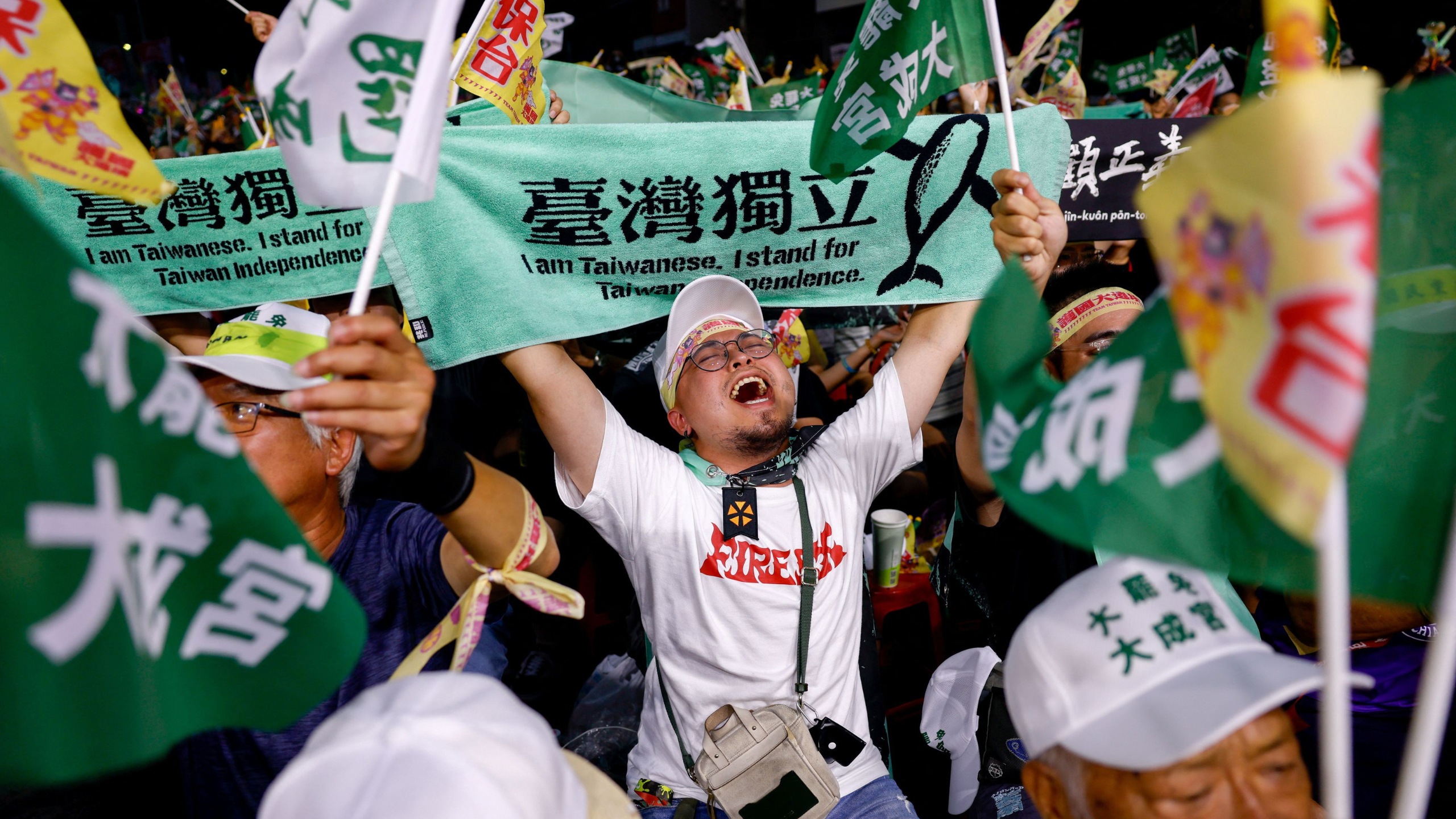
Taipei – As Taiwan heads towards a high-stakes recall vote that could alter the balance of power in its parliament, China’s unusual support for opposition lawmakers is drawing fresh controversy.
On Saturday, voters will decide whether to recall 24 legislators from the Kuomintang (KMT), Taiwan’s largest opposition party. The move, initiated by civic groups, targets nearly one-fifth of Taiwan’s 113-member legislature and could have significant political ramifications for President Lai Ching-te and his ruling Democratic Progressive Party (DPP).
Backdrop of Political Gridlock
President Lai, who won the presidency earlier this year, has struggled to push through his legislative agenda after the DPP lost its majority in the legislature. Since then, the opposition has aggressively passed laws and slashed government budgets, particularly in areas like defense, complicating Lai’s efforts to bolster Taiwan’s military in the face of increasing pressure from China.
China Voices Support for KMT, Unnerving Voters
Amid the internal political battle, Beijing has taken an unusually vocal stance, criticizing the recall efforts as politically motivated. In June, officials from China’s Taiwan Affairs Office accused Lai of abusing democratic processes to silence his critics.
“Lai is engaging in dictatorship under the guise of democracy,” said office spokesperson Zhu Fenglian. “This is a political scheme to suppress opposition.”
Chinese state media have echoed this rhetoric, publishing over 400 articles and videos describing the recall campaign as an example of “green terror” — a reference to the DPP’s signature color — and accusing Lai of authoritarianism.
These comments have raised concerns among Taiwanese voters, particularly as Beijing continues to claim sovereignty over Taiwan and increase military and diplomatic pressure.
Backlash and Accusations of Collusion
Prominent recall campaigner and tech tycoon Robert Tsao dismissed China’s interference, saying it only bolsters public suspicion that the KMT is aligning with the Communist Party.
“It shows the KMT is together with the Communist Party. It helps our campaign,” said Tsao.
The KMT, however, has sought to distance itself from Beijing’s remarks.
“This is Taiwan’s domestic issue. We never asked for China’s support,” said Crystal Yang, KMT spokesperson. “This is a political battle between two Taiwanese parties — not something involving the mainland.”
The party insists its engagement with China is rooted in pragmatism, not allegiance. KMT officials argue that dialogue with Beijing is necessary, particularly when President Lai has been consistently rebuffed in his own calls for cross-strait talks.
“What we stress is communication, not submission,” said Tony Lin, head of the KMT’s Culture and Communication Committee. “Calling us pro-Beijing is unfair.”
Public Sentiment and Political Stakes
DPP officials say China’s visible support for the KMT is backfiring. Wu Szu-yao, secretary general of the DPP’s legislative caucus, believes that Beijing’s interference could help the recall effort gain public support.
“China is offering ammunition to the KMT, and that’s very revealing,” she said. “It proves the recall is striking a nerve.”
The recalls also come amid broader anxiety over Taiwan’s sovereignty, economic security, and national defense. The DPP has framed the campaign as a movement to protect Taiwan from foreign influence and internal sabotage.
Meanwhile, the KMT hopes voter turnout will reflect dissatisfaction with President Lai’s performance, accusing him of fueling tensions with China and failing to address economic concerns.
“The DPP creates a sense of fear about China to consolidate power,” said Huang Kwei-bo, a former KMT official and professor at National Chengchi University.
What Comes Next
The recall votes on Saturday are not just about legislative seats — they represent a proxy battle over Taiwan’s future direction. With Beijing watching closely and the political temperature rising at home, the results could reshape both Taiwan’s domestic politics and its regional diplomacy.