

How SpaceX’s Rocket Diplomacy Backfired in the Bahamas
What began as a bold step in global space expansion has turned into a political and environmental headache for Elon Musk’s SpaceX. A confidential deal with the Bahamian government, meant to streamline Falcon 9 booster landings, is now under suspension—exposing the fragility of SpaceX’s foreign diplomacy and the public concerns ignited by the explosive failures of its Starship rocket.
A Sweet Deal, Signed in Silence
In early 2023, SpaceX struck a strategic agreement with the Bahamas, allowing its Falcon 9 boosters to land in Bahamian waters—enabling heavier payloads and more efficient launches. To sweeten the deal, the company reportedly provided complimentary Starlink terminals for the country’s defense vessels, though exact figures remain undisclosed.
The agreement was signed by Deputy Prime Minister Chester Cooper, reportedly without wider consultation within the Bahamian government. While legal, this lack of transparency sparked internal government tensions that would later escalate following a separate, high-profile incident.
Starship Failure Turns the Tide
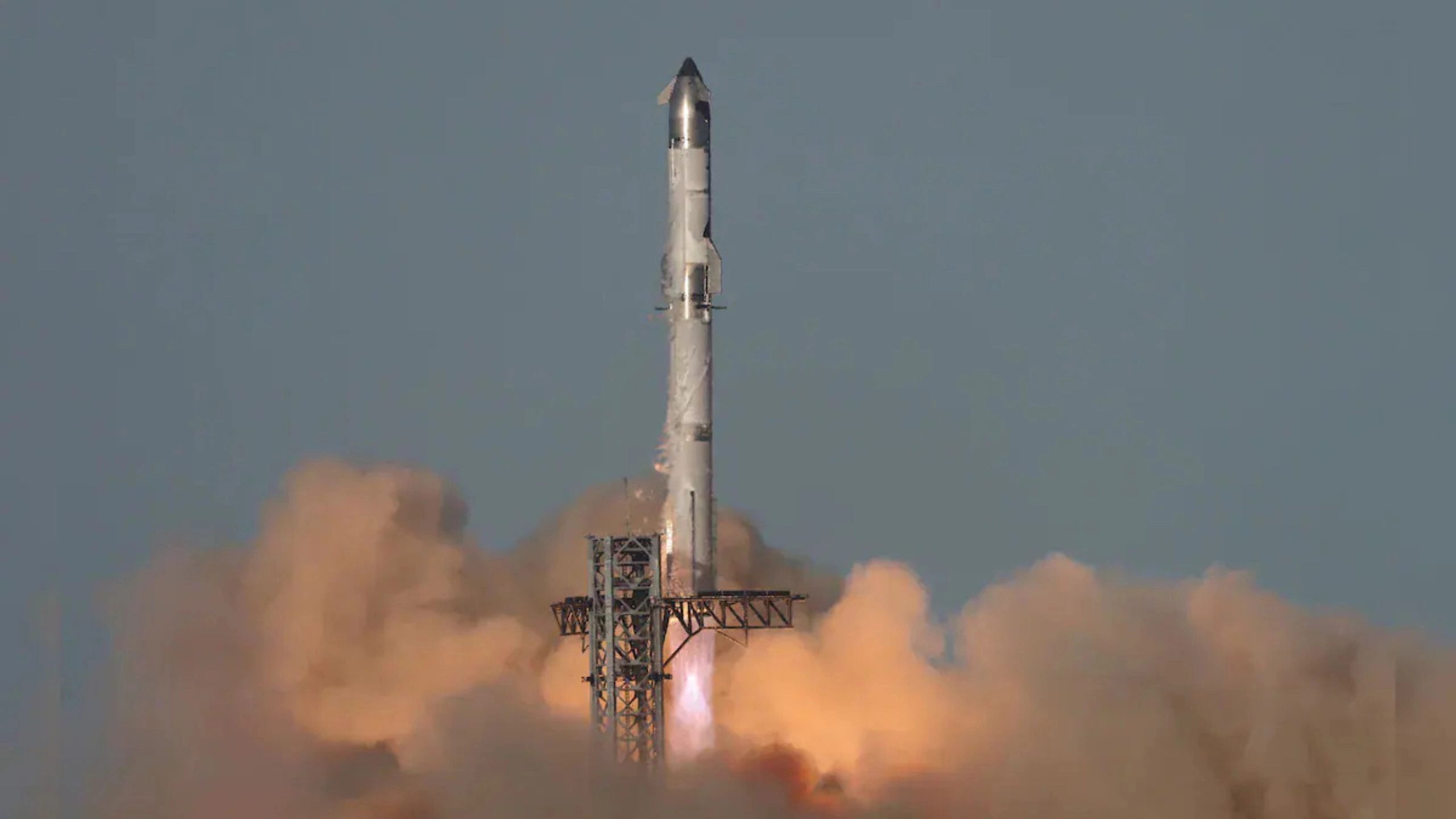
In March 2024, a Starship rocket exploded mid-flight, scattering debris across several Bahamian islands, including the remote Ragged Island chain. Though SpaceX’s Falcon 9 and Starship rockets operate differently, public fear and governmental scrutiny intensified after the incident.
“No toxic materials were detected and no significant environmental impact was reported, but it prompted a reevaluation,” said Chequita Johnson, Acting Director General of the Civil Aviation Authority Bahamas.
Shortly afterward, the government suspended the landing deal, citing both the explosion’s aftermath and discontent among government officials left out of initial negotiations.
Polarized Public, Shaky Trust
Environmental concerns are rising among Bahamians. Arana Pyfrom, assistant director at the Department of Environmental Planning, highlighted concerns over national sovereignty and marine safety:
“I have no strong dislike for space exploration, but I do have concerns about the sovereignty of my nation’s airspace,” he said.
Locals expressed worry over debris pollution, especially considering the region’s reliance on tourism, fisheries, and maritime safety. SpaceX’s hasty recovery operations—deploying sonar equipment, helicopters, and vessels—did little to ease those concerns.
Backroom Diplomacy Sparks Outrage
The secrecy surrounding the original Falcon 9 agreement also drew criticism. Joe Darville, chair of the environmental NGO Save The Bays, voiced public frustration:
“Something like that should have never been made without consultation of the people in the Bahamas.”
Although the deal included benefits like a $1 million donation to the University of Bahamas and educational seminars, many now question whether the perks were worth the environmental and political risks.
A Setback for SpaceX’s Global Strategy
The Bahamas isn’t the only nation pushing back. Mexico is considering legal action after another Starship test failure left debris near its border. Meanwhile, public discontent in regions affected by launch debris could threaten SpaceX’s expansion plans.
Starlink, a vital component in funding Musk’s vision for Mars colonization, is now doubling as a diplomatic bargaining chip—a strategy that risks backfiring if mismanaged.
What Happens Next?
Two Bahamian officials told Reuters that Falcon 9 landings may resume later this summer, pending a full review of SpaceX’s environmental report and revised regulatory processes. However, critics say the government must learn from its missteps before reengaging.
“The review will show where we fell short, and what we need to improve on,” Pyfrom added.
Meanwhile, Musk has announced that another Starship test is planned within weeks, raising further concerns across Caribbean territories.
The Bigger Picture
SpaceX’s ambition to dominate space logistics faces growing geopolitical roadblocks. The Bahamas case underlines the importance of transparency, local engagement, and environmental due diligence—especially when rocket debris can land in someone’s backyard.What Musk calls progress, island nations may see as risk. And as SpaceX eyes the stars, it must now pay closer attention to the communities beneath its launch paths.